Training Programs
Deeper Behavior Requires Deeper Assessment
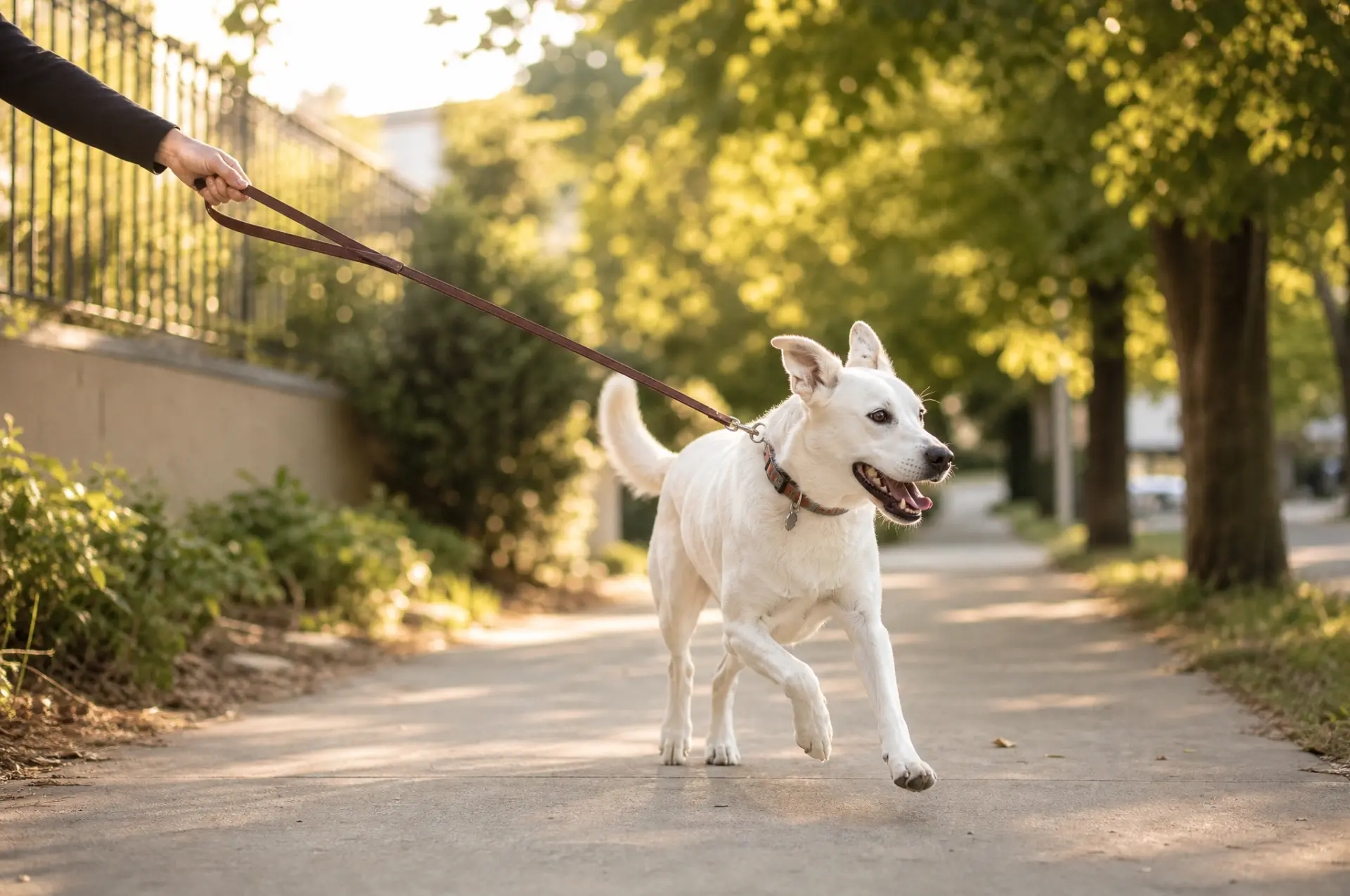
Behavioral rehabilitation is for situations where the visible behavior may reflect fear, stress, learned patterns, environmental pressure, overarousal, or multiple factors working together.
Who It May Be For
Considered When These Apply
- Dogs displaying significant fear or avoidance
- Dogs reacting intensely to people, dogs, movement, or environments
- Dogs that struggle to recover after becoming aroused
- Owners who feel increasingly restricted by the behavior
- Cases where generic advice has not addressed the underlying pattern
What the Work May Focus On
Areas the Plan May Address
- Understanding triggers and thresholds
- Environmental and safety management
- Building clearer communication
- Increasing recovery and emotional regulation
- Confidence through manageable challenges
- Owner handling, observation, and decision-making
How the Process Works
An Individualized, Assessment-Led Plan
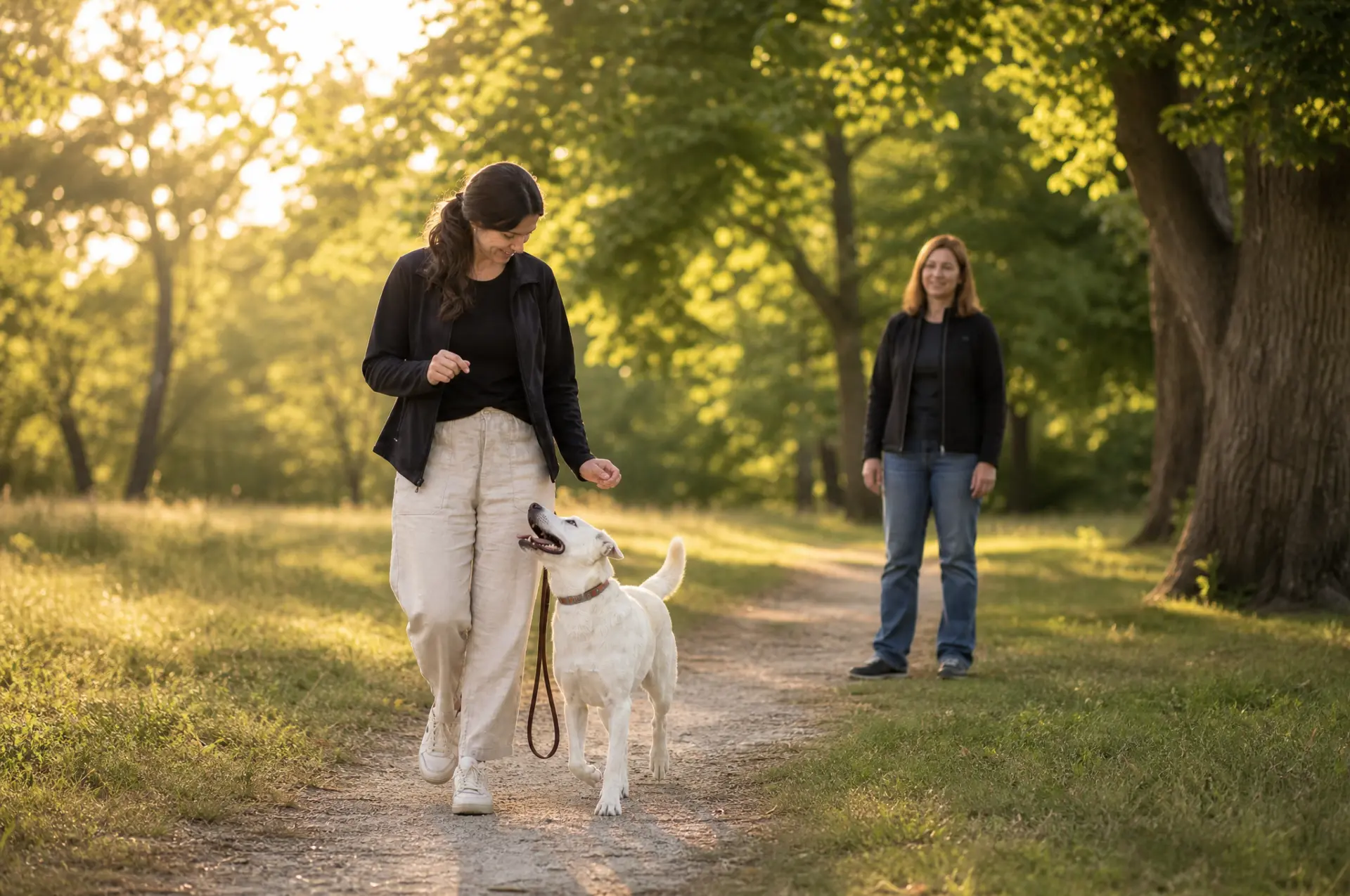
The first priority is understanding the behavior and managing risk. Progress may require smaller steps, controlled environments, changes in routine, and repeated reassessment based on the dog's response.
The Owner's Role
What Owners Should Expect to Contribute
Owners need clear guidance on management, body-language observation, consistency, and when to reduce or increase difficulty. Rehabilitation cannot depend only on what happens during formal training time.
Honest Expectations
When Another Option May Be Better
Some cases may require veterinary evaluation, pain assessment, medication discussion, a veterinary behaviorist, or another professional resource. Training should not replace appropriate medical or behavioral-health care.
Frequently Asked
Before You Book
Is reactivity the same as aggression?
Not necessarily. Reactive behavior can have different causes, and some cases may also involve genuine aggression risk. Assessment and safety planning come first.
Can you guarantee the behavior will be eliminated?
No responsible trainer should guarantee a specific result before understanding the dog and the factors influencing the behavior.
Will my dog be forced to face triggers?
The level and type of exposure should be selected based on safety, the dog's emotional state, and the purpose of the exercise. Overwhelming the dog is not the goal.
Related Programs
Other Paths Worth Comparing
Start With the Dog, Not the Package
Tell us what you are seeing, what you have already tried, and what you want daily life with your dog to look like.