Our Framework

The Good Choice Method

Five stages. One individualized plan, built around your dog from start to finish.

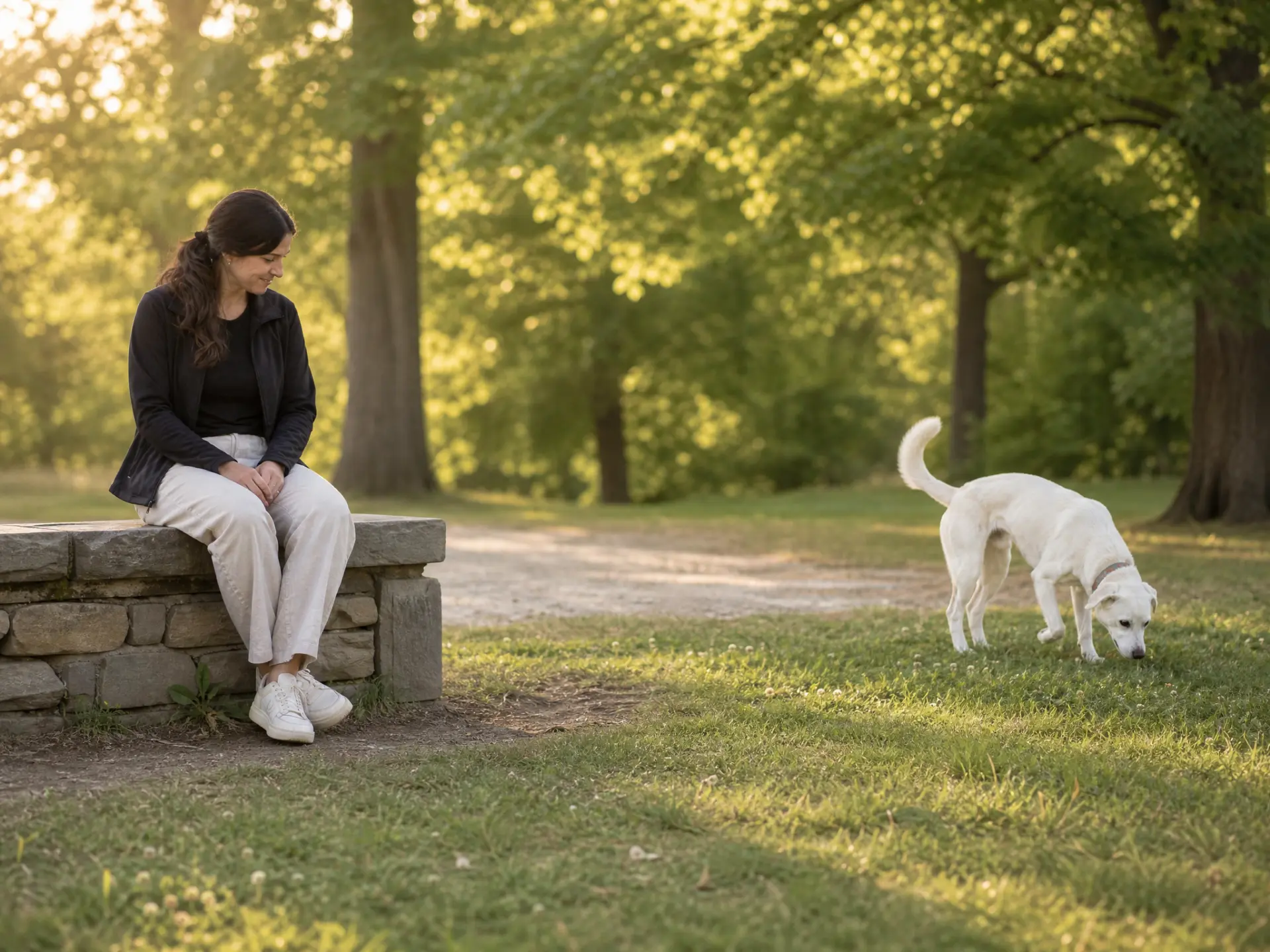
A trainer seated quietly on a low stone wall observing a dog exploring the grass nearby

Introduction

A Process Built Around the Dog in Front of Us

Training should not begin with a predetermined tool, package, or formula. It should begin by understanding the dog, the owner's goals, the environment, and the patterns surrounding the behavior.

The Good Choice Method gives each training plan a clear structure while leaving room for the plan to change as the dog responds. The framework stays consistent. The details remain individual.

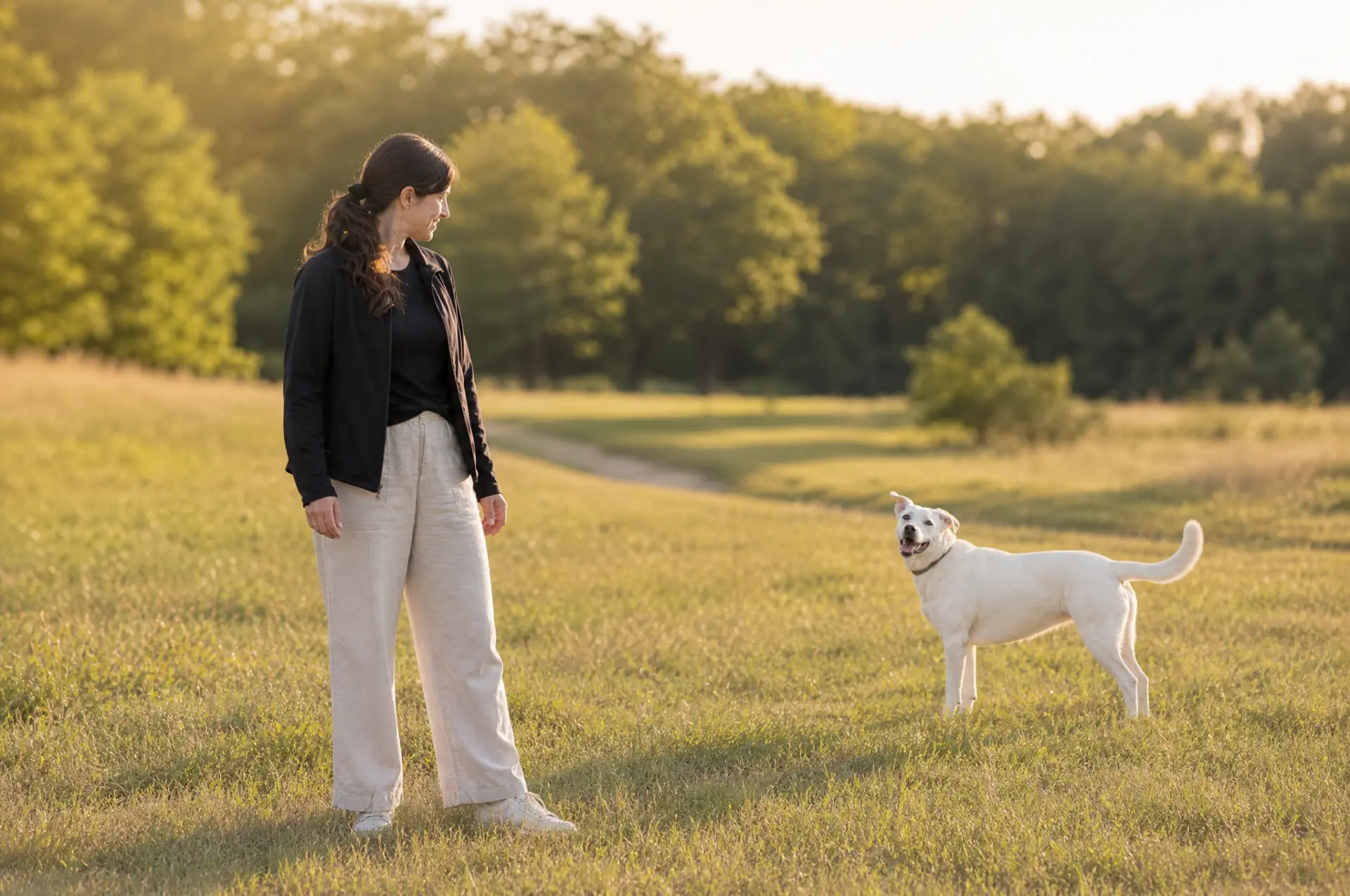
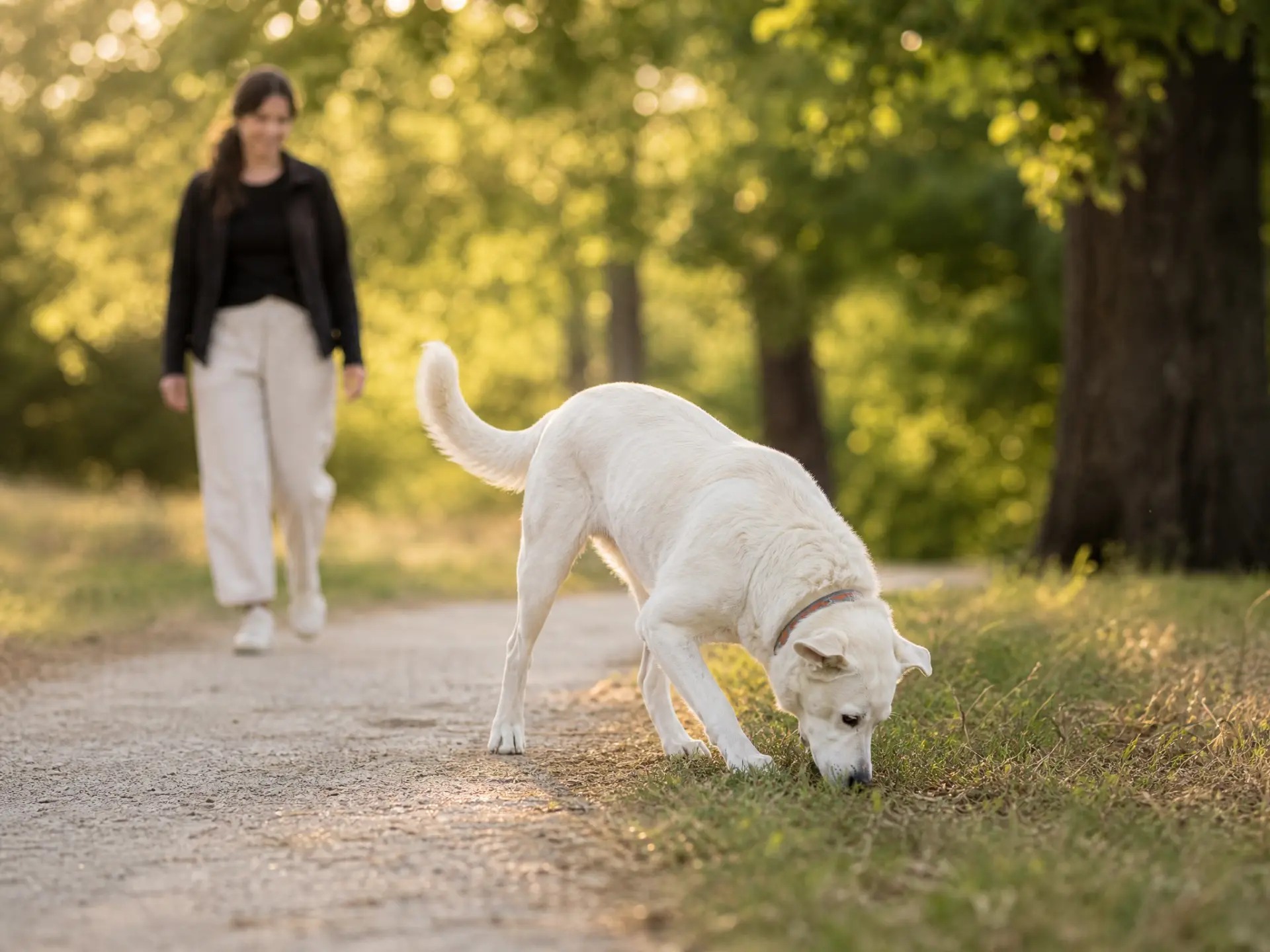
A trainer calmly observing a dog in a natural setting
01

Read the Dog

Assessment and Individualized Planning

We begin by observing the dog, listening to the owner, and identifying the conditions surrounding the behavior. The goal is to understand what may be driving the problem before recommending how to address it.

  • Behavior, body language, and emotional state
  • Home environment and daily routines
  • Owner goals, concerns, and previous training
  • Safety considerations and realistic priorities
An owner or trainer communicating calmly with a focused dog
02

Build the Language

Cues, Markers, Expectations and Feedback

We establish a communication system the dog and owner can both understand. Clear cues, consistent timing, and meaningful feedback reduce confusion and create a foundation for progress.

  • Clear and consistent cues
  • Marker and feedback systems
  • Household expectations
  • Owner timing and follow-through
A dog calmly exploring or completing a manageable challenge
03

Build Confidence

Manageable Challenges and Successful Recovery

We introduce challenges at a level the dog can process successfully. Confidence is built through appropriate difficulty, clear support, and repeated opportunities to recover and make better choices.

  • Gradual exposure when appropriate
  • Manageable levels of difficulty
  • Recovery after stress or distraction
  • Progress based on the dog's response
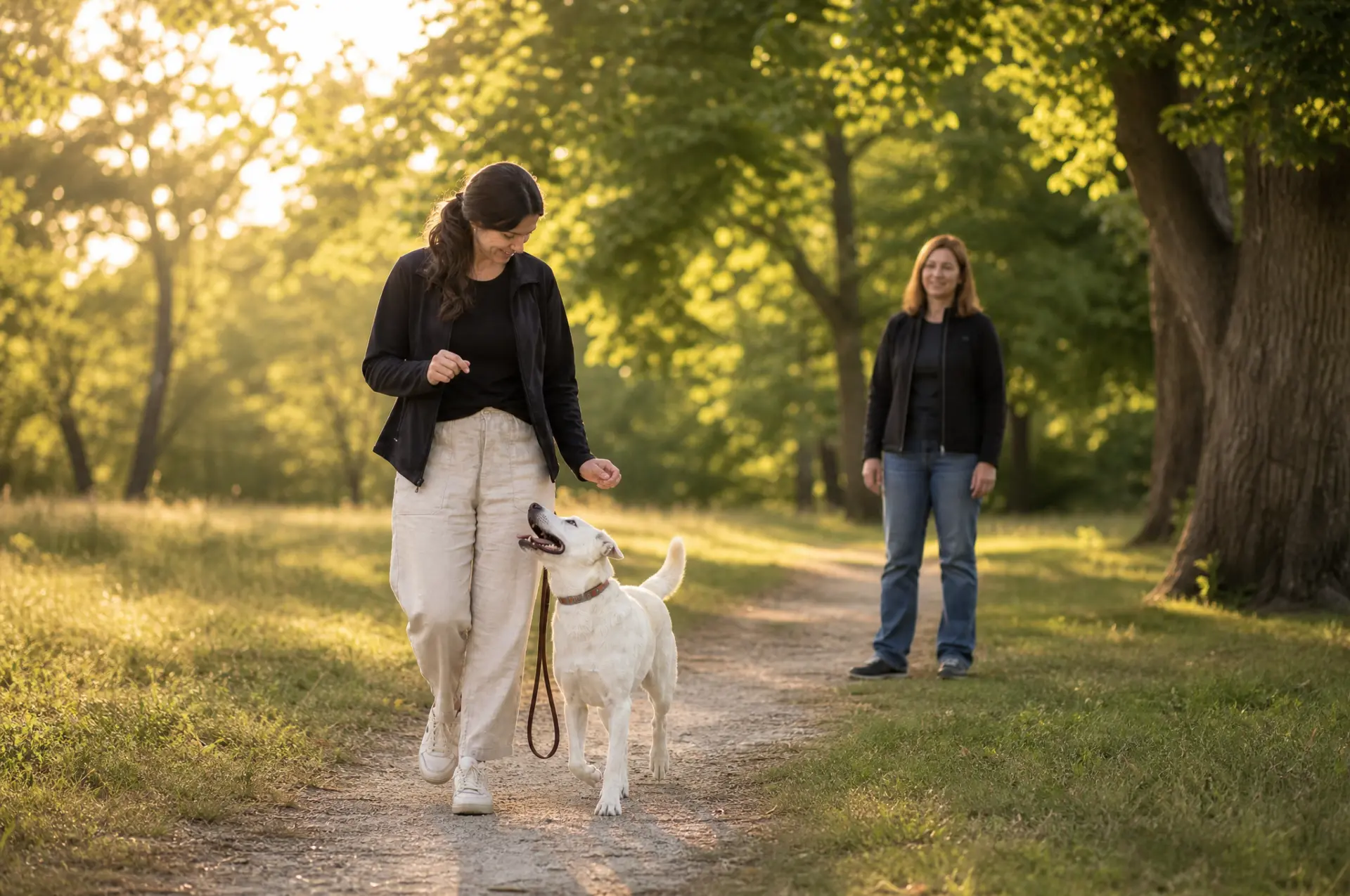
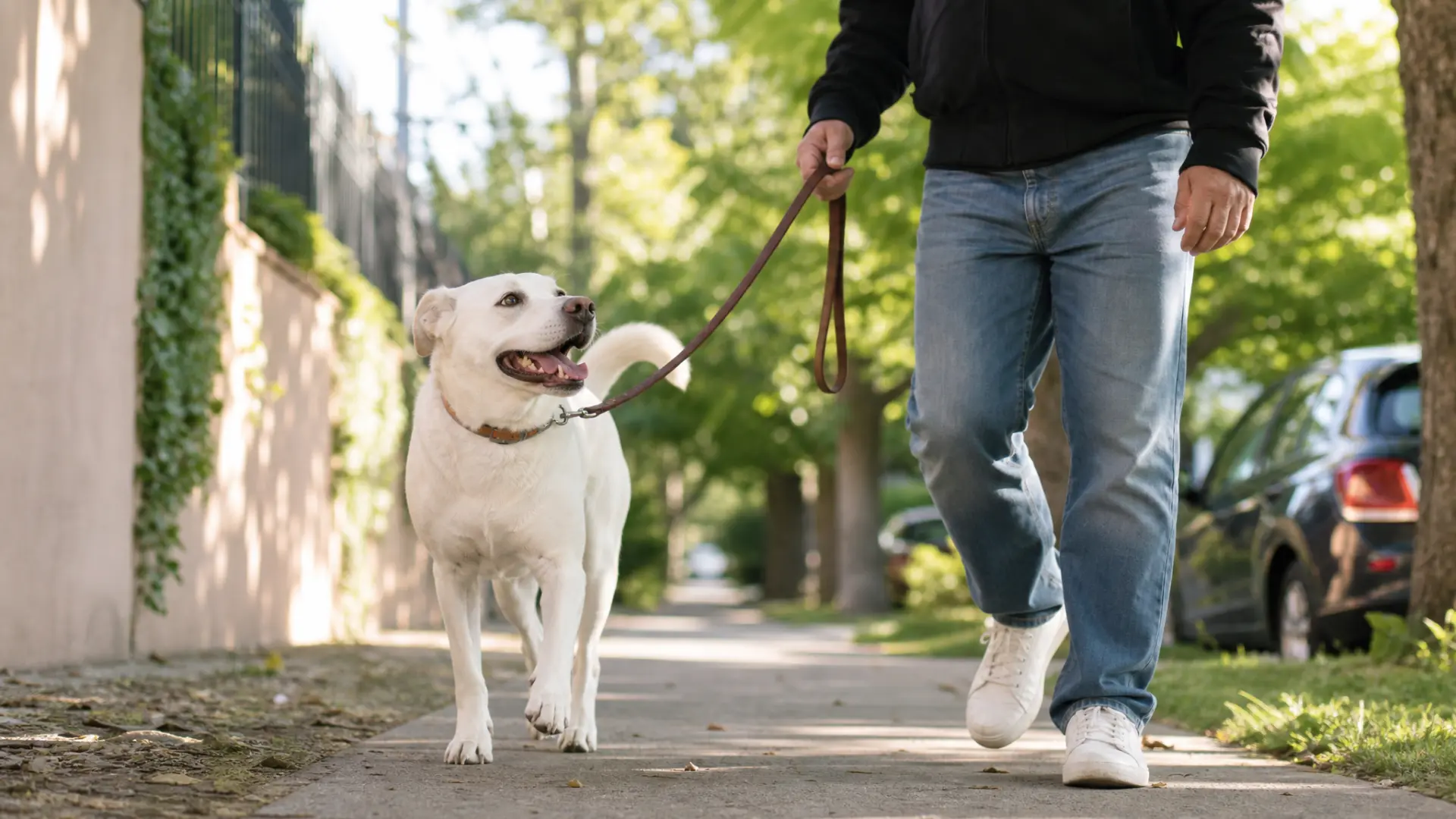
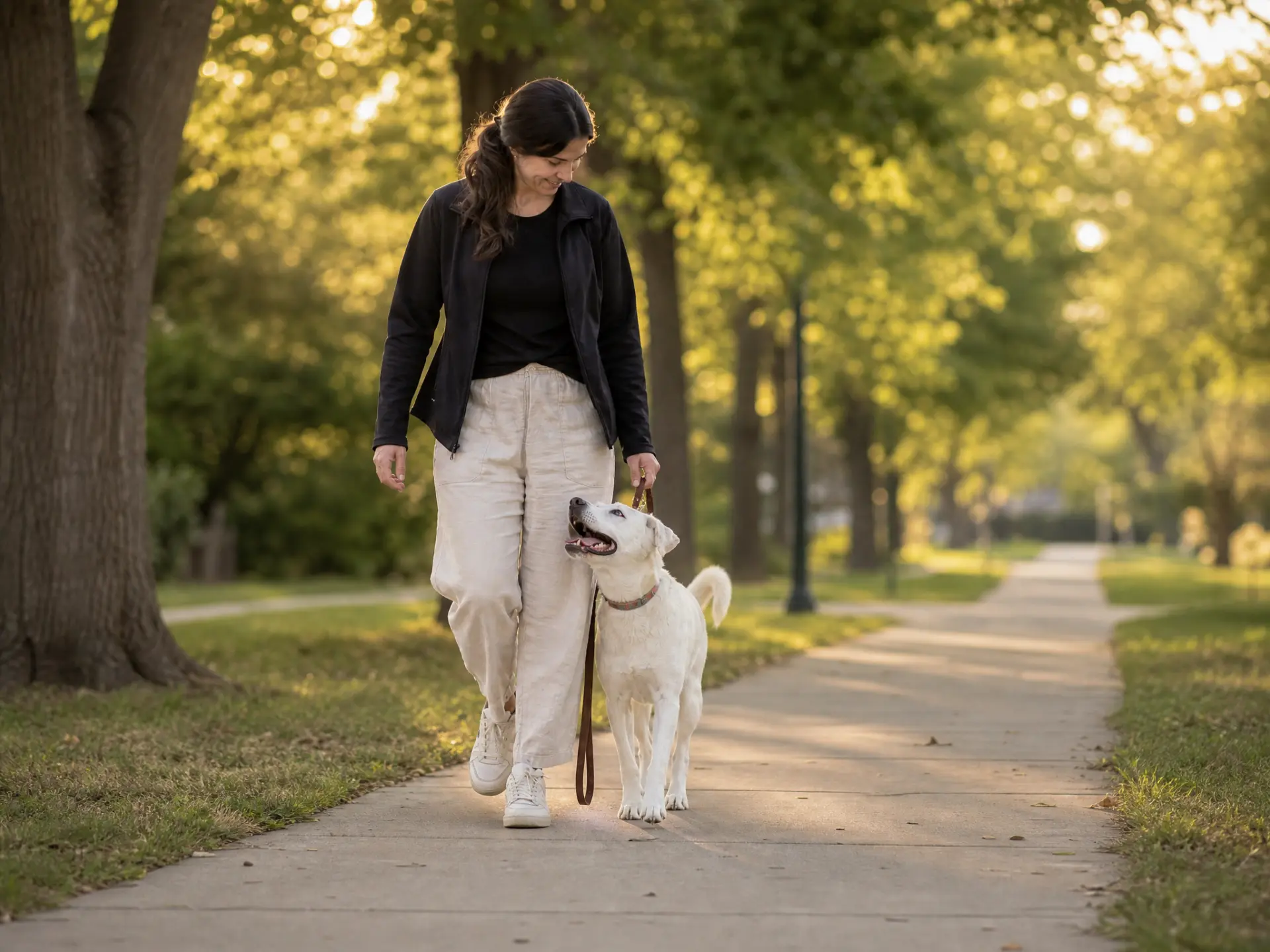
An owner and dog walking together on a public path or trail
04

Prove It in Real Life

Distance, Duration, Distraction and Environment

Skills that only work in a quiet training space are not enough. We gradually test communication in the environments and situations that matter to the owner's actual life.

  • Increasing distraction appropriately
  • Building duration and distance
  • Practicing in relevant environments
  • Adjusting expectations when conditions change
The owner working confidently with the dog while the trainer steps back
05

Hand Back the Leash

Owner Transfer, Maintenance and Continued Progress

The goal is not to make the dog dependent on the trainer. We coach the owner to understand the communication, routines, and expectations relevant to the individual plan.

  • Owner coaching and guided practice
  • Clear household routines
  • Maintenance expectations
  • A plan for continuing progress

Tools Follow Assessment

Balanced Does Not Mean Automatic

Good Choice is not limited to one training ideology, and no tool is selected simply because it belongs to a particular program. We consider the dog's behavior, emotional state, learning history, safety needs, environment, and response to training.

That may result in a primarily reward-based plan, clearer structure and accountability, or a thoughtful combination. The purpose of a tool is communication—not intimidation, convenience, or punishment without understanding.

Explore Training Programs

The Owner's Role

Training the Owner Is Part of Training the Dog

Dogs respond to the patterns around them. That means timing, consistency, household rules, and follow-through matter after formal training ends.

Owner participation varies by service, but every plan should make the owner's responsibilities understandable rather than leaving them to guess.

Honest Expectations

Assessment Comes Before Promises

No responsible trainer can guarantee a specific behavioral outcome before evaluating the dog. Genetics, health, environment, learning history, owner consistency, and the seriousness of the behavior can all affect what progress looks like.

When a case requires veterinary involvement, a veterinary behaviorist, a different training environment, or another professional resource, that should be discussed openly.

Start With the Dog, Not the Package

Tell us what you are seeing, what you have already tried, and what you want daily life with your dog to look like.